How to manufacture vacuum blood collection tubes
Manufacturing vacuum blood collection tubes involves a precise and controlled process to ensure the quality and safety of these essential medical devices. These tubes play a critical role in modern healthcare, aiding in the accurate diagnosis and treatment of EDTA Tubes For Blood Collection for various medical conditions. Here’s an overview of the step-by-step process involved in siny manufacturing vacuum blood collection tubes and EDTA Blood Collection Tube:
What are Vacuum Blood Collection Tubes?
Vacuum blood collection tubes are small, cylindrical containers of high-quality glass or plastic. They come with a color-coded rubber stopper, indicating the type of additive or anticoagulant in the tube. The vacuum inside the tube allows for the automatic withdrawal of an appropriate blood volume when a healthcare professional punctures a patient’s vein 2ML EDTA K2 Blood Collection Tube.

Material of vacuum blood collection tube
The micro-capillary tube is a marvel of modern engineering, designed to facilitate precise and delicate fluid transfer in various industries. Its slender, cylindrical structure with a minuscule internal diameter makes it an ideal tool for conducting experiments, medical procedures, and scientific research. Other benefits include incineration and destruction 5ML Serum Tube Vacutainer.
Blood Collection Tube
Most Blood Collection Tube Contain no Additive That Speeds Up Blood Clotting (Clot Activator) Or Prevents Blood Clotting (Anticoagulant). The Tube That Contains The Clot Activator Produces A Serum Sample When Centrifugation separates the Blood, And The Tube That Contains The Anticoagulant Produces Medical Supply No Additive Blood Collection Tube A Plasma Sample After Centrifugation. Some Tests Require The Use Of Serum, Some Require Plasma, And Other Tests Require Anticoagulated Whole Black Top Glass Blood Collection Tube.
Micro-capillary Tube
This Blood Collection microcapillary tube is ideal for use in various laboratory settings. The micro-capillary tube is a marvel of modern engineering, designed to facilitate precise and delicate fluid transfer in various industries. Its slender, cylindrical structure with a minuscule internal diameter makes it an ideal tool for conducting experiments, medical micro-blood collection tube procedures, and scientific research.
This Blood Collection Micro Capillary tube is ideal for use in a variety of laboratory settings. It is designed to collect a small sample of blood from a patient, while ensuring that the sample is clean and free of contamination. Vacuum Micro Collector Sodium Fluoride The tube is made of a strong, durable plastic that is resistant to breakage, and the tube has a unique capillary design that allows for a precise and accurate sample collection Black Hat Miniature Blood Collection Vessel.
EDTA Tube
An EDTA tube is a blood collection tube containing the anticoagulant ethylenediaminetetraacetic acid (EDTA) to prevent blood clotting.
Heparin Tube
The Heparin Tube is an ideal solution for medical and laboratory professionals who need to collect, store, and analyze blood samples. It is easy to use and provides accurate results, making it a reliable and practical choice for any laboratory.
No Additive Tube
The No Additive Tube represents a groundbreaking innovation in healthcare and consumer safety.
With the 10ml No Additive Tube, a new consumer trust and well-being era dawns. Unlike conventional products, which often contain harmful chemicals and additives, this revolutionary tube ensures that 6ml No Additive Vaccum Blood Collection Tube only pure and natural substances reach the end-users. Advanced filtration systems effectively eliminate toxic agents,No Additive Tube offering a safer and healthier alternative 10ml No Additive Vaccum Blood Collection Tube.
Benefits of Vacuum Blood Collection Tubes in Modern Healthcare
Vacuum blood collection tubes, commonly known as vacutainer tubes, have revolutionized how blood tests are conducted in modern healthcare settings. These innovative tubes offer a range of benefits that contribute to more accurate, efficient, and safer blood collection and analysis. Let’s explore the significant advantages of using vacuum blood collection tubes.
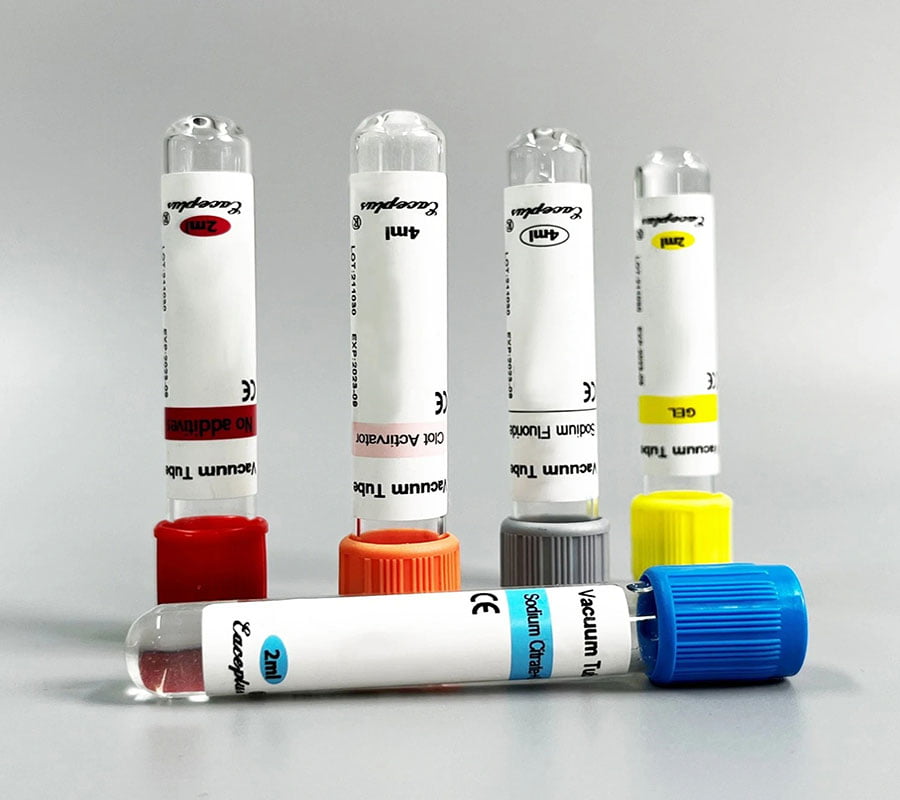
Accurate Blood Volume: One of the key advantages of vacuum blood collection tubes is the precise control they offer over the amount of blood collected. The vacuum within the tube automatically draws in the appropriate amount of blood needed for various tests. This accuracy helps ensure that laboratory results are reliable and consistent.
Minimized Patient Discomfort
Using vacuum tubes reduces the need for excessive needle insertions, making blood collection less painful and uncomfortable for patients. The controlled vacuum flow allows for a smoother and quicker blood draw, enhancing patient comfort during the procedure.
Safety for Healthcare Professionals
Vacutainer tubes enhance the safety of sinymedical healthcare professionals by minimizing the risk of accidental needle sticks and exposure to bloodborne pathogens. The one-time-use design reduces the chances of cross-contamination between patients, contributing to a safer working environment for medical staff.
Optimized Workflow
The vacuum-based system streamlines the blood collection process, enabling healthcare providers to collect blood samples from multiple patients efficiently. This optimization reduces patient waiting times and enhances the overall workflow in hospitals, clinics, and laboratories.
Variety of Additives
Vacuum blood collection tubes are available with various additives and anticoagulants and Clot Actirvator Coagulant Tube, each catering to specific types of tests. These additives prevent blood from clotting, preserving the integrity of different blood components for accurate analysis. This diversity makes the tubes suitable for a wide range of diagnostic tests.
Accurate Test Results
Using vacuum blood collection tubes significantly reduces the risk of sample contamination and hemolysis (destruction of red blood cells). This preservation of sample integrity leads to more accurate test results, enabling healthcare professionals to make well-informed decisions regarding patient care.
Reduced Sample Rejections
Vacutainer tubes’ standardized design and controlled vacuum ensure that the right amount of blood is collected for each test. This reduces the likelihood of insufficient or excessive blood samples, minimizing the need for sample retesting and 3.2% Sodium Citrate Tube associated inconveniences.
Improved Blood Sample Preservation
The additives in vacuum tubes prevent blood from clotting and preserve the stability of different blood components, such as cells and plasma. This preservation is crucial for maintaining the accuracy of test results, especially for tests that require analysis after a certain period blood Collection Tube Holder is Changing Blood Tests.
Enhanced Laboratory Efficiency
The consistent and accurate blood volume collected through vacuum tubes leads to more efficient laboratory processes. Technicians spend less time handling and processing samples, allowing them to focus on conducting tests and delivering results promptly.
Advanced Medical Diagnostics
Vacuum blood collection esr tubes have played a pivotal role in advancing medical diagnostics. The reliability and accuracy of the blood samples collected contribute to improved disease detection, monitoring, and treatment management.

The Science Behind Vacuum Tubes
The concept of vacuum EDTA Tubes For Blood Collection relies on negative pressure. When the phlebotomist inserts a needle into a patient’s vein and connects it to the vacuum tube, the air pressure is lower than the pressure inside the vein. As a result, blood flows effortlessly from the patient’s vein into the tube without requiring additional suction or manual effort.
What is PRP Injection in the Knee
A platelet-Rich Plasma (PRP) injection in the knee is a medical procedure that involves using a concentrated form of a patient’s blood to promote healing and tissue regeneration in the knee joint.
PRP Therapy
Platelet Rich Plasma Injections promote healing by utilizing the patient’s blood components. Your blood will be drawn, centrifuged to extract platelets (platelets are now known to release healing proteins known as growth factors), and then injected directly into the injured site using an ultrasound-guided technique to ensure proper placement. These proteins subsequently induce repair and regeneration at the location, providing pain relief and faster healing rates to the patient.
Importance in Blood Testing
Vacuum blood collection tubes Specimen Cups Near Me Benefit You play a crucial role in ensuring the accuracy and reliability of blood test results. They come with different additives, such as EDTA, sodium citrate, heparin, or clot activators, which prevent blood from clotting and preserve the integrity of other blood components. These additives ensure the blood sample remains stable and suitable for various laboratory analyses.


Comments
Post a Comment